Inverted Duty Structure GST Refund Application

Recover your accumulated ITC when your input tax rate exceeds your output tax rate. Maximize your working capital seamlessly.
Apply for GST Refund
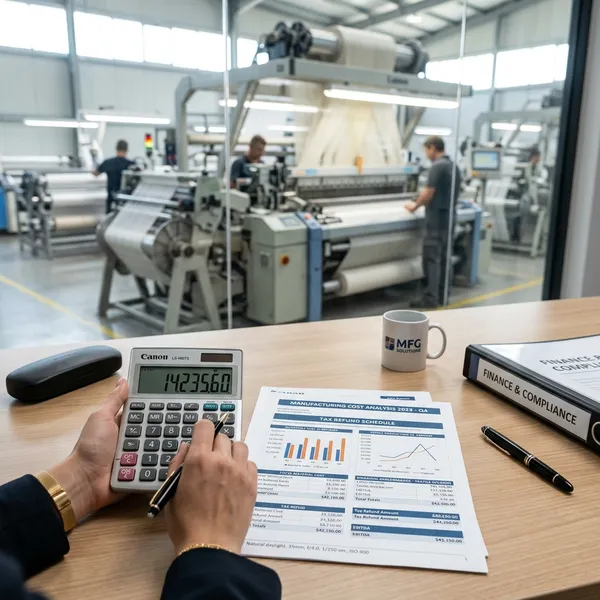
Inverted duty structure GST refund computation with tax rules for manufacturing business

What is Inverted Duty and Who Can Claim Refund in GST?

Under Section 54 of the CGST Act, an inverted duty structure occurs when GST paid on inputs is higher than GST charged on outputs. Learn about the complete GST refund process or hire our GST refund application service to handle the filing.

Many businesses ask how to claim GST refund on purchase when facing this situation. The process involves filing a **GST refund application** with detailed computations matching purchase invoices against outward sales under statutory formula rules.

For example, if you pay 18% GST on raw materials but your final product is taxed at 5%, the excess 13% gets locked as Input Tax Credit (ITC) in your electronic credit ledger.

Industries Subject to Inverted GST Refund Rules

  • ✓ Textiles and Garments
  • ✓ Footwear Manufacturing
  • ✓ Fertilisers
  • ✓ Pharmaceutical Products
  • ✓ Iron and Steel Products

Frequently Asked Questions

What is inverted duty structure in GST?
It is when GST on inputs is higher than GST on outputs, causing ITC accumulation. Section 54 of the CGST Act allows a refund of this excess accumulated ITC.
Which industries commonly face inverted duty structure in India?
Textiles, fertilisers, footwear, iron & steel, pharmaceuticals, and certain food processing businesses are most commonly affected.
What is the formula for calculating inverted duty structure GST refund?
Refund = (Turnover of Inverted Rated Supply / Adjusted Total Turnover) × Net ITC — Tax payable on inverted rated supply.
Is GST refund available on capital goods under inverted duty structure?
No. Only ITC on inputs and input services qualifies. Capital goods are explicitly excluded.
What is the time limit to file inverted duty structure GST refund?
2 years from the last date of the financial year in which the tax was paid. Missing this deadline results in permanent loss of the claim.

Don't let your working capital remain locked.

Enquire for GST Refund